



Transcranial magnetic stimulation (TMS) is a noninvasive treatment for depression, and it can be used for treatment-resistant depression. A device sends magnetic pulses to specific parts of the brain, and these pulses target areas linked to mood. When standard medications fail to bring relief, some people turn to TMS. This is how TMS therapy works and what it addresses:
Stimulated Underactive Brain Cells
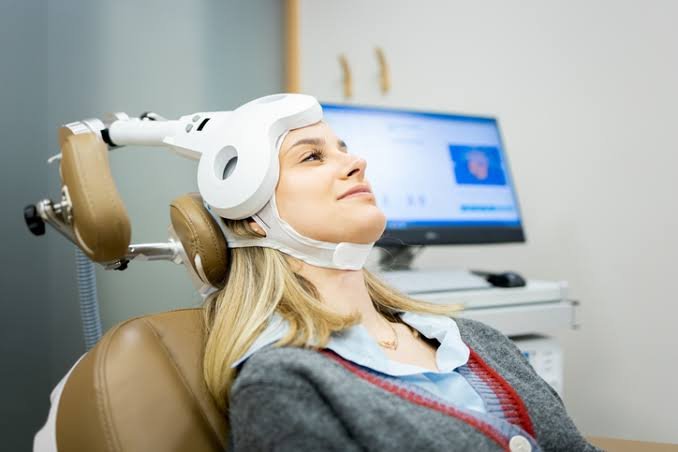
TMS therapy targets the prefrontal cortex. Since depression typically involves reduced activity in this region, the magnetic pulses aim to stimulate those nerve cells. The device rests near your scalp, and it delivers repeated pulses during each session. The pulses create small electrical currents in the brain, and these may activate cells that have grown inactive over time.
Since the treatment focuses on one region, it does not flood the whole body. You stay awake and alert throughout the process. A technician monitors each session, and you sit in a reclined chair the entire time. Although the sensation feels unusual at first, many patients adjust quickly. The schedule requires commitment across the treatment course.
Avoided Medication Side Effects
Antidepressants travel through your bloodstream and reach many organs. TMS works differently, and it applies stimulation to a focused brain area. This targeted approach means the treatment avoids the systemic effects tied to oral drugs. Medication side effects include the following:
- Weight gain
- Drowsiness or fatigue
- Nausea and digestive changes
- Sexual dysfunction
Because TMS skips the digestive system, it sidesteps many of these issues. Patients who react poorly to pills sometimes explore this path. The most common effects are mild scalp discomfort and headache, and these usually fade after a few sessions.
Improved Mood
Some patients report changes in mood as treatment continues. The stimulation targets circuits involved in emotional regulation, and researchers link this region to daily outlook. Results vary from person to person. Not everyone responds the same way to the therapy.
Your care team tracks progress through standard depression scales. These questionnaires measure symptoms at regular points during the treatment course. Since the data guides decisions, your provider may adjust the plan based on your scores. Open communication helps the team refine its approach.
Side effects of the therapy are typically minimal. The treatment process is straightforward and noninvasive. While the timeline for improvement may differ, many patients report noticeable changes within a few weeks, especially when paired with ongoing support and self-care strategies.
Reduced Depression Symptoms
Treatment-resistant depression describes cases that do not respond to two or more medications. TMS offers another option, and clinical studies have examined its effects on these symptoms. Doctors may recommend it after other treatments fall short. Eligibility depends on your medical history and prior care.
Symptoms that studies have measured include:
- Mood that is persistently low
- Loss of interest in activities
- Trouble sleeping
- Difficulty concentrating
A full evaluation happens before you begin. Your provider reviews your records, and they discuss whether TMS fits your situation. Since responses differ, the team sets realistic expectations from the start. Follow-up visits help measure any lasting changes.
Schedule TMS Therapy Session
TMS uses magnetic pulses on targeted brain regions, and it avoids the systemic side effects of oral medication. A qualified provider determines whether you qualify. If standard treatments have not worked for you, talk with a mental health professional, and they can review your history and explain what a treatment plan involves. Contact a licensed TMS provider today to schedule an evaluation and ask your questions.