



A wedding venue layout determines how guests move through the space and impacts a celebration’s flow and seating arrangements. Clear pathways for navigation and versatile spaces separated by curtains are some features that support smooth event transitions. Here is more information about the role of venue layout in wedding planning:
Directing Guest Movement
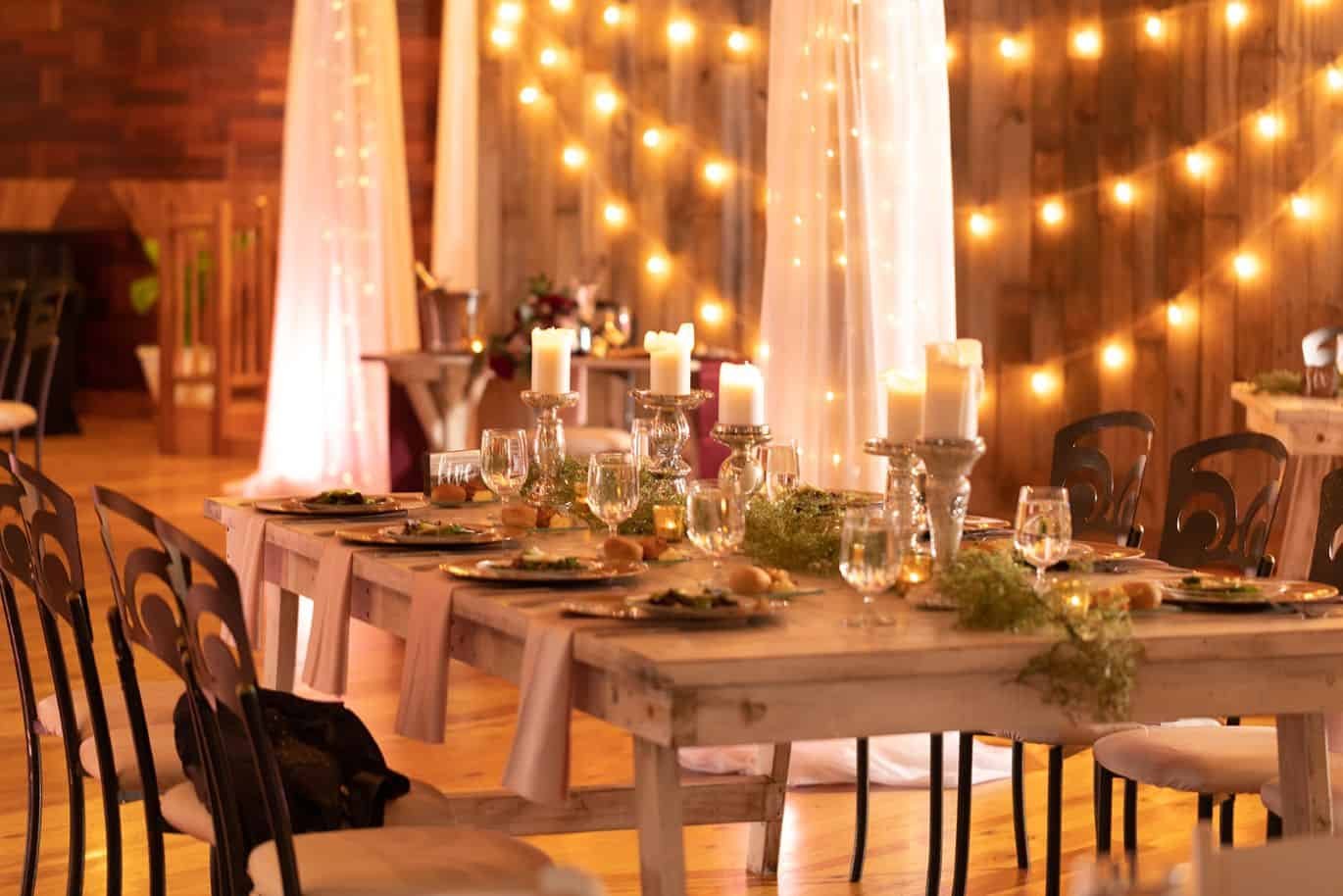
Planners use architectural boundaries and furniture placement to establish clear pathways for guests. Wedding spaces with an upstairs floor plan allow planners to position the main ceremony area separate from the post-ceremony mingling zones. By utilizing structural elements like heavy, floor-to-ceiling divider curtains, you can block off the reception tables. This spatial isolation prevents attendees from being in the wrong area before the correct time.
Hosting Dual Events
A wedding venue layout allows couples to host the ceremony and the reception in the same building. The space arrangement could use a large room that is split into sections. One section holds the ceremony seats while the other accommodates the reception tables and dance floor. This adds convenience to your ceremony.
When the ceremony ends, the staff removes the curtains to combine the two sections into one large space. Guests can then walk straight to the reception. This setup keeps everyone in one room. It also allows guests to see the entrance and other activities since there are no obstructive walls. Having a large, open space also helps it avoid feeling tight.
Simplifying Seating Arrangements
An open-concept space makes it easier for wedding planners to organize seating arrangements. It accommodates tables in multiple configurations, such as round or long banquet rows. An open main seating zone allows event organizers to maximize the floor plan by arranging many sits to fit more guests. The shape of the room also determines the placement of the dance floor, bar, and buffet. Clustering the main bar adjacent to the dance floor creates a high-density entertainment hub. Isolating the buffet lines at the perimeter lanes prevents diner gridlock. Hosts use the layout to group specific guest tables closer to main areas. Family tables can be placed near the head table, or younger guests can be seated near the speakers.
Supporting Custom Setups
A flexible floor plan supports custom layouts. An open architectural space with no fixed interior walls allows couples to place main focal points wherever they choose. This versatility allows planners to design floor plans that match the decorative vision of the wedding day. A versatile space layout enhances personalization through the following:
- Zoning space with overhead lighting rigs
- Directing foot traffic with freestanding walls
- Decentralizing crowd density with specialized stations
Regulating Guest Capacity
Space layout planning establishes the occupancy thresholds of a room. The geometry of a space determines how many guests can fit without compromising safety or emergency lanes. Adding features such as buffet stations or performance stages reduces the room’s maximum occupancy. To avoid overcrowding, planners account for the space these elements require during the initial layout process.
Learn More About a Wedding Venue
Wedding planners opt for open layouts, which provide a flexible space for organizing multiple logistical needs. By utilizing curtain-divided rooms, the planner controls guest paths and simplifies seating arrangements. Contact a reputable wedding venue provider to learn more about their services.