



Mohs surgery is a precise treatment used to remove certain types of skin cancer while preserving as much healthy tissue as possible. Patients may benefit from understanding how to prepare for the procedure, what happens during treatment, and how to care for the surgical area afterward. Here is a closer look at what to know before, during, and after Mohs surgery:
Preparing for Treatment
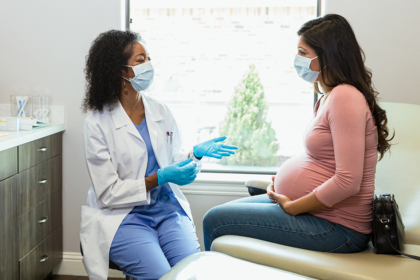
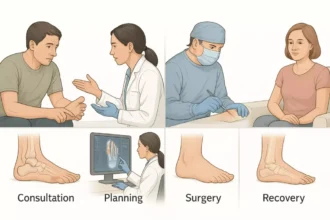
Preparation for Mohs surgery begins with a consultation, where your surgeon reviews your medical history and confirms the location of the growth. You should share a full list of your medications because some blood thinners may affect the procedure, and your doctor will advise on any adjustments. Wear comfortable clothing on the day of surgery, and arrange transportation home if you expect to receive sedation. Ask questions during this visit, and write down anything you want to remember. Your care team can explain the expected length of the appointment, which varies depending on the tumor and how many layers need to be removed.
Understanding the Procedure
The steps of Mohs surgery follow a clear sequence, and each stage serves a specific purpose. Here is what generally happens during the appointment:
- Local anesthesia: The surgeon numbs the treatment area, so you stay awake but feel no pain during the process.
- Tissue removal: A thin layer of tissue containing the visible cancer is removed, and the wound is temporarily bandaged.
- Microscopic review: The surgeon maps and examines the layer under a microscope to identify any remaining cancer cells.
- Repeat as needed: If cells remain, another layer is removed from that exact spot, and the review continues until the sample is clear.
- Wound closure: Once no cancer remains, the surgeon closes the wound; the closure method depends on the size and location of the area.
Each round of review takes time, so you may wait between stages while the lab work is completed.
Managing Early Recovery
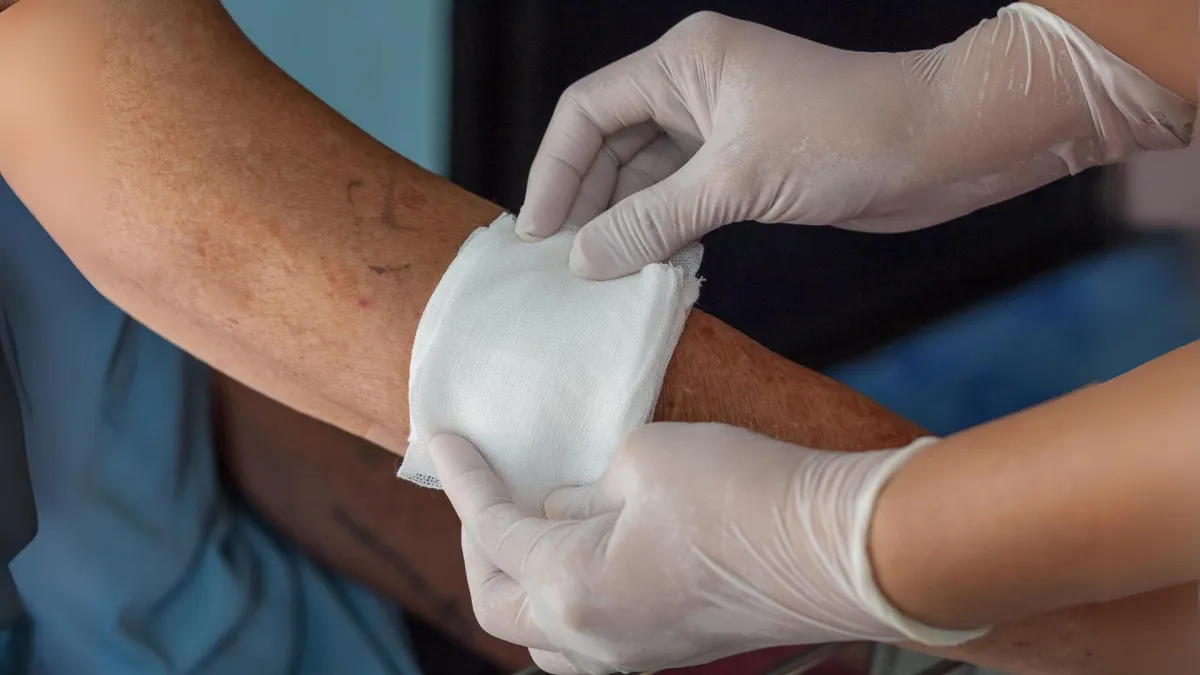
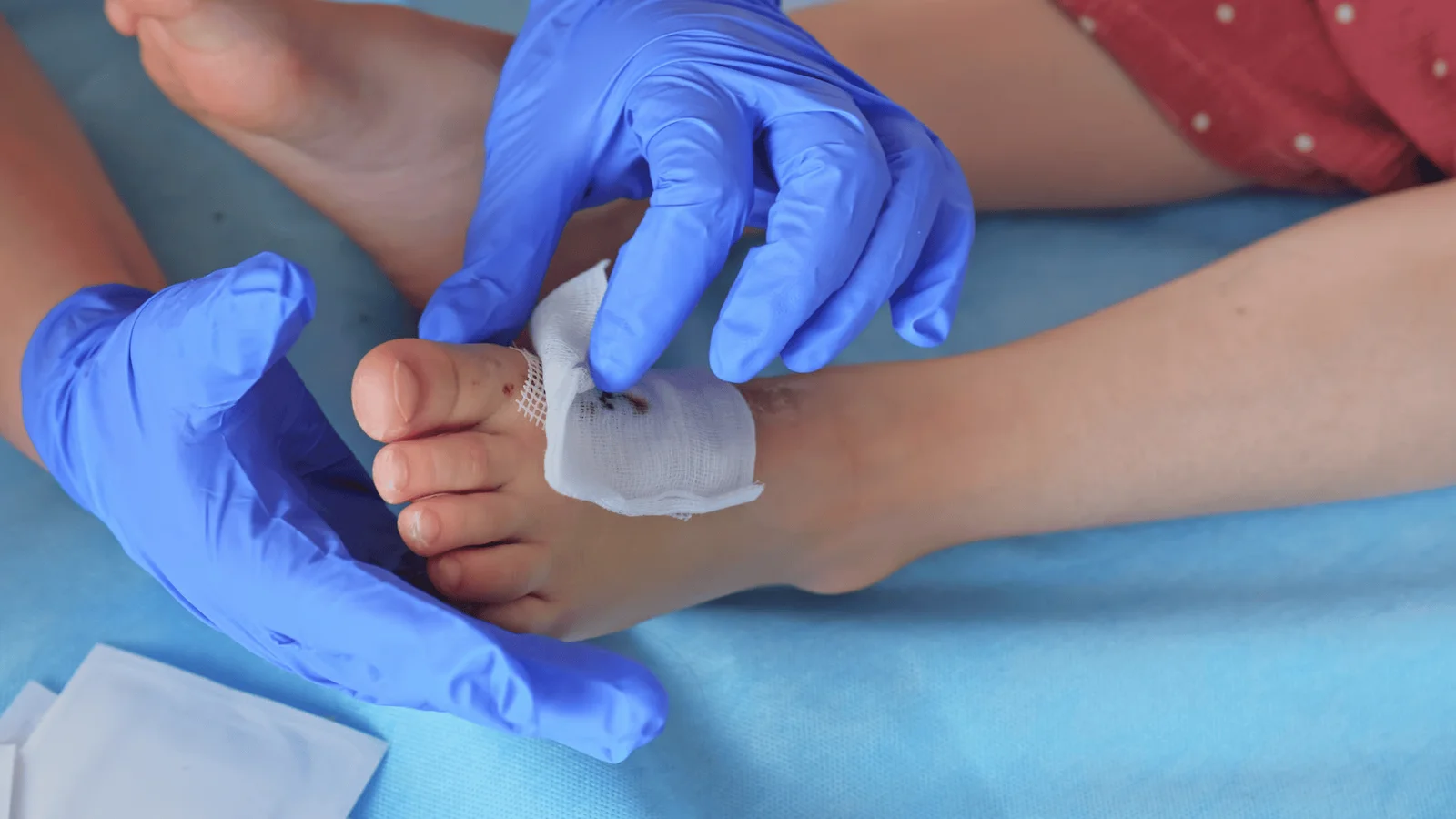
Recovery begins as soon as the wound is closed, and your surgeon will apply a dressing before you leave. You will receive written instructions covering cleaning, bandage changes, and activity limits; following them closely supports healing. Mild swelling or bruising is common, and your care team will explain what falls within a normal range.
Keep the treated area protected, and avoid strenuous activity for the period your surgeon recommends. Take any prescribed or recommended pain relief as directed, and contact your clinic if you experience unusual bleeding, spreading redness, or any other concerns. A follow-up visit lets your surgeon check the site, and it gives you a chance to ask questions about healing.
Planning Long-Term Skin Care
Care does not end once the wound heals, as ongoing skin protection reduces the risk of future complications. The following habits can support your skin in the long term:
- Daily sun protection: Apply broad-spectrum sunscreen, and reapply it during extended time outdoors.
- Protective clothing: Wear hats, long sleeves, and sunglasses when the sun is strong.
- Regular self-checks: Examine your skin regularly and note any new or changing spots.
- Scheduled skin exams: Keep appointments with your dermatologist to have your skin professionally monitored.
- Scar care: Follow guidance on moisturizing or massaging the healed area, which may improve its appearance over time.
Implementing these preventive measures and maintaining regular awareness can help you safeguard your skin health and support long-term well-being.
Schedule Your Mohs Surgery Appointment
Mohs surgery removes skin cancer through precise, layer-by-layer treatment, and understanding each stage prepares you for the procedure. Regular skin care and monitoring are fundamental for maintaining skin health and addressing potential concerns early. Performing self-checks and attending scheduled skin exams with your dermatologist can help you protect your skin and improve its resilience. Contact a qualified dermatologist near you to schedule your Mohs surgery appointment.